
Bleeding After Dental Implants: What’s Normal?
Dental implants are a popular and effective dental procedure designed to replace missing teeth. Through this surgery, patients can restore both the look and function of their smile, as dental implants will both look and feel just like a natural tooth.
If you’re considering getting dental implants, or have gotten one recently, the topic of post-op bleeding might concern you. Check out this short blog post to discover how much bleeding to expect after getting dental implants, and what you need to do to care for it properly!
Mild Bleeding Is to Be Expected
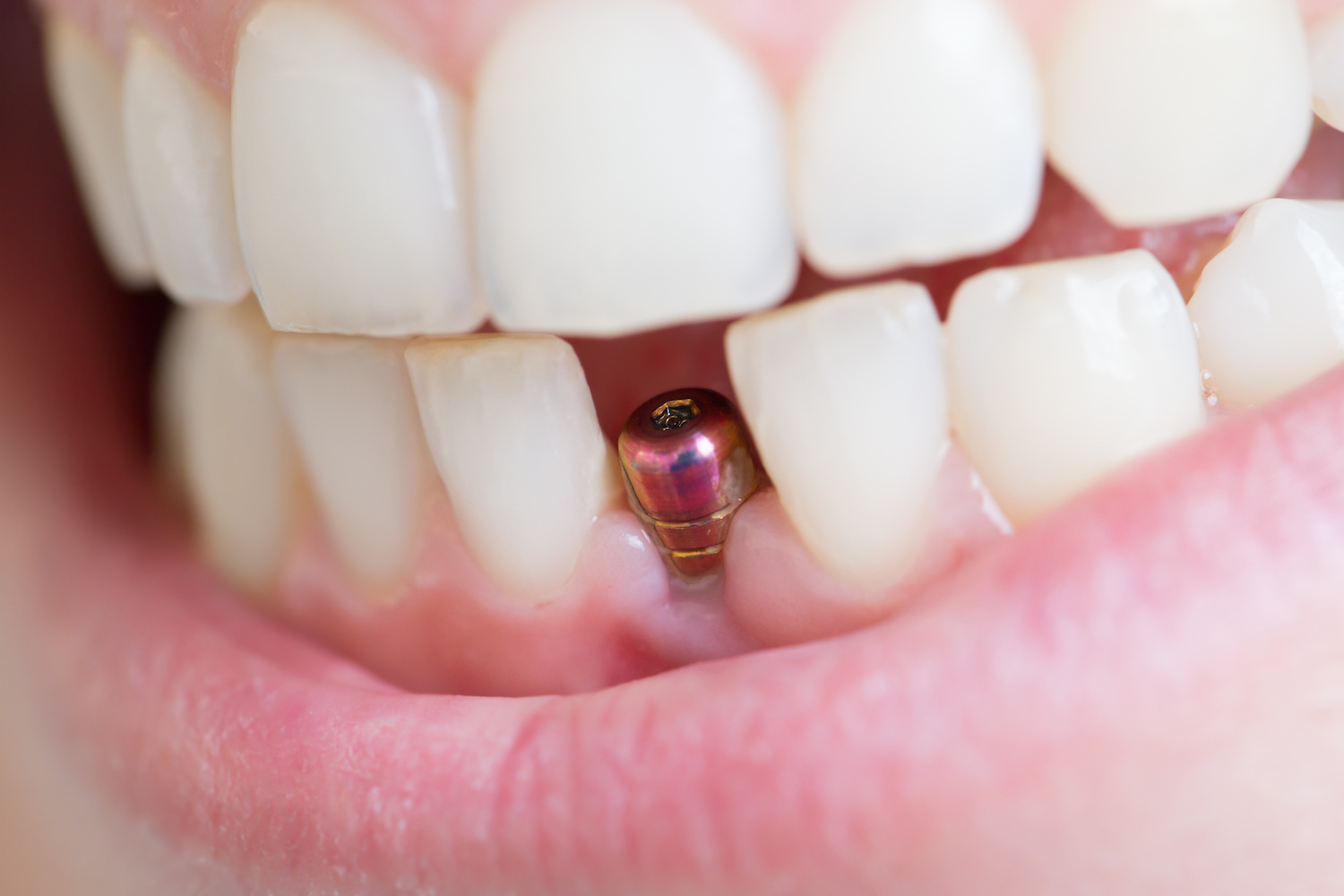
First, let’s quickly go over how dental implant surgery works. The surgeon will first make an incision into the gums and insert a metal screw-like object designed to act as the tooth’s root. This effectively replaces the root of your missing tooth.
The procedure doesn’t take very long, but the healing period that follows can last between 4 to 6 months.
Right after the surgery, you will likely notice some mild bleeding as the gum around the implant heals and closes the site. Bleeding can persist 1-2 days after the incision, and you may notice your saliva is slightly pink, or maybe even notice traces of blood around the implant site. This is perfectly normal, and nothing to be concerned about.
How to Manage Bleeding After an Implant Surgery
Post-op care is very important after getting a dental implant, as it can help reduce healing time and ensure you can move on to the next stages of the procedure, such as getting the abutment and the final step of the dental crown.
To control bleeding, you can:
- Keep the gauze in place per your surgeon’s recommendations;
- Avoid disturbing the site with food or brushing;
- Gently cleanse the mouth with saline water or an approved mouthwash;
- Eat soft food in the first few days to avoid lots of chewing;
- Avoid spitting or rinsing rigorously in the first week;
- Avoid exercise or intense physical activity at least 2-3 days post-op.
When Is Bleeding a Problem?
Profuse bleeding after your surgery is unlikely, but if you notice bleeding doesn’t stop or seems to be getting worse, you should call your oral surgeon right away. It could be an indication of implant failure, and the sooner you address it, the better.
It will usually be accompanied by other symptoms, such as:
- Pain
- Swelling
- Discoloration around the implant
- Infection
Though highly unlikely, if you do notice any of these symptoms, don’t wait. Call your surgeon right away and wait for instructions.
Interested in Dental Implants?
Dental implants have a high success rate, and most patients will not have major issues in the healing stages. However, it’s important to make sure you are a good candidate for this procedure, and Washington Metro Dental can help you find out.
Book an appointment at our practice today to get started!
Related Posts

Dental Emergencies in Kids: When to Call an Emergency Dentist

How to Prepare for Your Professional Teeth Whitening Appointment

What Should I Do If I Have a Sudden Toothache or Broken Tooth in DC?

Your journey to a healthy smile starts here
Experience modern dentistry like never before. We’re here to make you smile, schedule your appointment today!