Video Gallery
See the smiles that light up Washington, DC
At Washington Metro Dental, we’re proud to create confident, healthy smiles for our patients. Each transformation represents a story of improved oral health and restored confidence in our care. Explore our video gallery to hear directly from our patients and see the impact of personalized, expert dental treatment.

%402x.svg)
Do Invisalign Attachments Stain Your Teeth? Dentist Explains How to Fix & Prevent Staining
Noticing some staining around your Invisalign attachments? This is a common concern during Invisalign treatment, and the good news is that it’s temporary and very easy to fix.Invisalign attachments are small, tooth-colored bumps that are placed on certain teeth to help your aligners move teeth more predictably and efficiently.
Because they create a slightly textured surface, they can attract staining from certain foods and drinks throughout treatment.

Why Invisalign Attachments Are Placed on Your Teeth & Why They Matter: Dentist Explains Invisalign
If you’re starting Invisalign, you might notice small, tooth-colored bumps placed on some of your teeth. These are called Invisalign attachments, and they play an important role in helping your treatment work.
Attachments help your aligners snap securely into place, so the trays stay properly positioned while you wear them. This allows the aligners to apply the right amount of pressure to move your teeth.

Why We Create Small Spaces Between Teeth Before Invisalign: IPR Explained by Dentist
Sometimes patients have crowding, which means there simply isn’t enough room for the teeth to move into proper alignment. In these situations, we perform a procedure called Interproximal Reduction (IPR). This involves gently reshaping a very small amount of enamel between certain teeth to create the space needed for movement.
Think of it like making a little extra room so the teeth can line up properly. By creating that space, the teeth can rotate, shift, and slide into their ideal positions during Invisalign treatment. Without creating that room, the teeth may not move the way we need them to, which can prevent proper alignment and coordination of your bite.
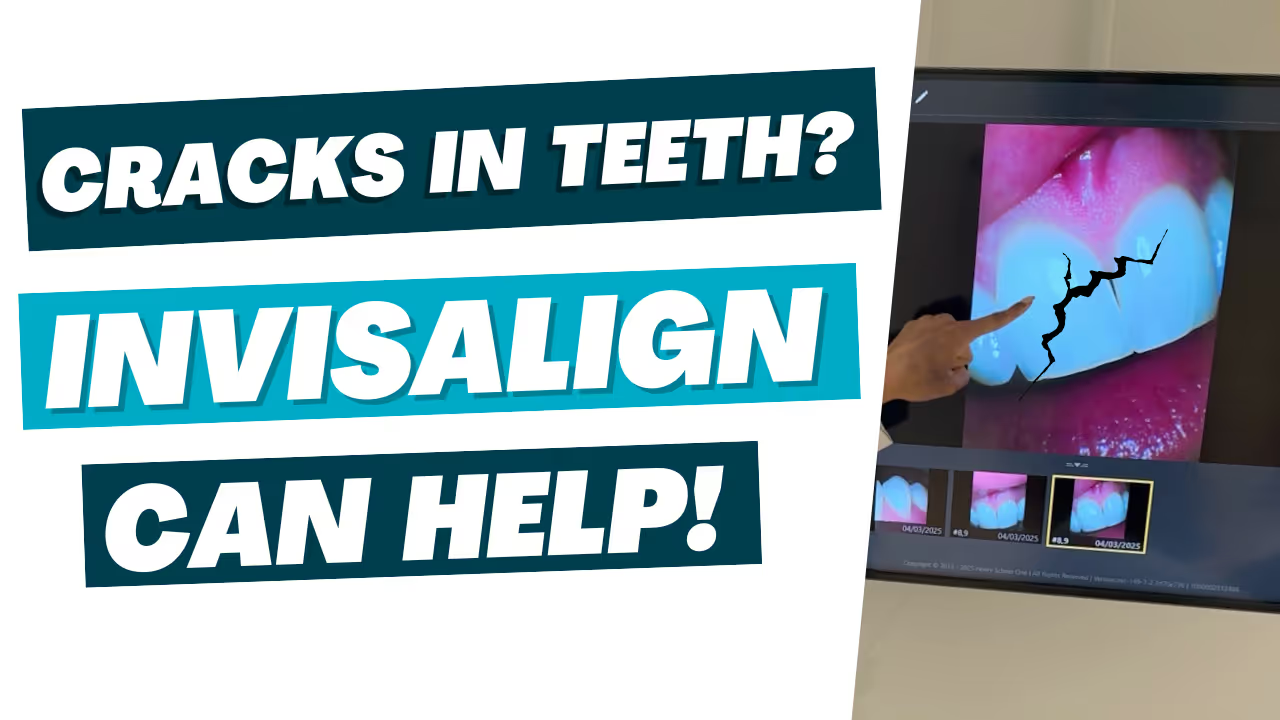
Cracks in Teeth? Invisalign Can Help Prevent Further Damage
Not all Invisalign cases are cosmetic. Our patient came in with small cracks (called craze lines) in his teeth caused by traumatic occlusion — the way his bite is landing is putting too much pressure on certain teeth. He had braces as a kid but didn’t wear his retainers, so his teeth shifted, and the bite became unbalanced. Now, we’re using Invisalign to correct that bite and prevent further damage. Invisalign isn’t just cosmetic — it’s functional.

Smile Makeover with Dentures to Replace Missing Teeth
In this video, Dr. Washington highlights a patient’s incredible smile transformation with upper and lower partial dentures.

Do You Have Silver Fillings? Let's Replace Them With Tooth Colored One!
Have silver fillings? It might be time for a check-up! Over time, silver (amalgam) fillings can pull away from the edges of the tooth, leaving tiny gaps where bacteria can sneak in, leading to what’s called a secondary cavity. You might feel pain or nothing at all, but either way, it’s worth having them evaluated. We can replace them if they’re failing—or simply if you’d prefer a natural-looking option instead.

Replacing an Old Silver Fillings with Tooth-Colored Filling
That old silver filling? Yeah… it had a good run, but it’s 2025, and your smile deserves better! Watch Dr. Washington transform this smile by replacing an old silver filling with a tooth-colored composite filling that blends so naturally. Don’t miss the before-and-after at the end!
.webp)
Crowns vs. Veneers: What’s the Difference?
Crowns and veneers both improve the look and function of teeth, but they serve different purposes and cover different areas. In this video, Dr. Washington breaks down the key differences.

Do Teeth REALLY Get Shaved to Nubs?! The TRUTH About Veneers
If you’ve searched for veneers online, chances are you’ve seen some terrifying images of teeth shaved down to tiny ‘nubs’ before veneers are placed. Let’s clear this up—this is NOT how modern cosmetic dentistry works!
🚫 MYTH: Veneers require aggressive tooth shaving.
✅ TRUTH: Modern veneer prep is minimal and conservative, removing only 0.3 to 0.5mm of enamel—just enough for a perfect fit and a natural, beautiful smile.
.avif)
Everything You Need to Know About Veneers
Are Veneers bad for your teeth? Do they require your teeth to be shaved down to nubs? What’s the difference between Veneers & Crowns? Welcome to our 4-part video series where Dr. Alexis C. Washington breaks down everything you need to know about veneers. There’s a lot of confusion out there — from people fearing “shaved down teeth” to not knowing the difference between veneers and crowns. This series is here to give you real, honest answers.
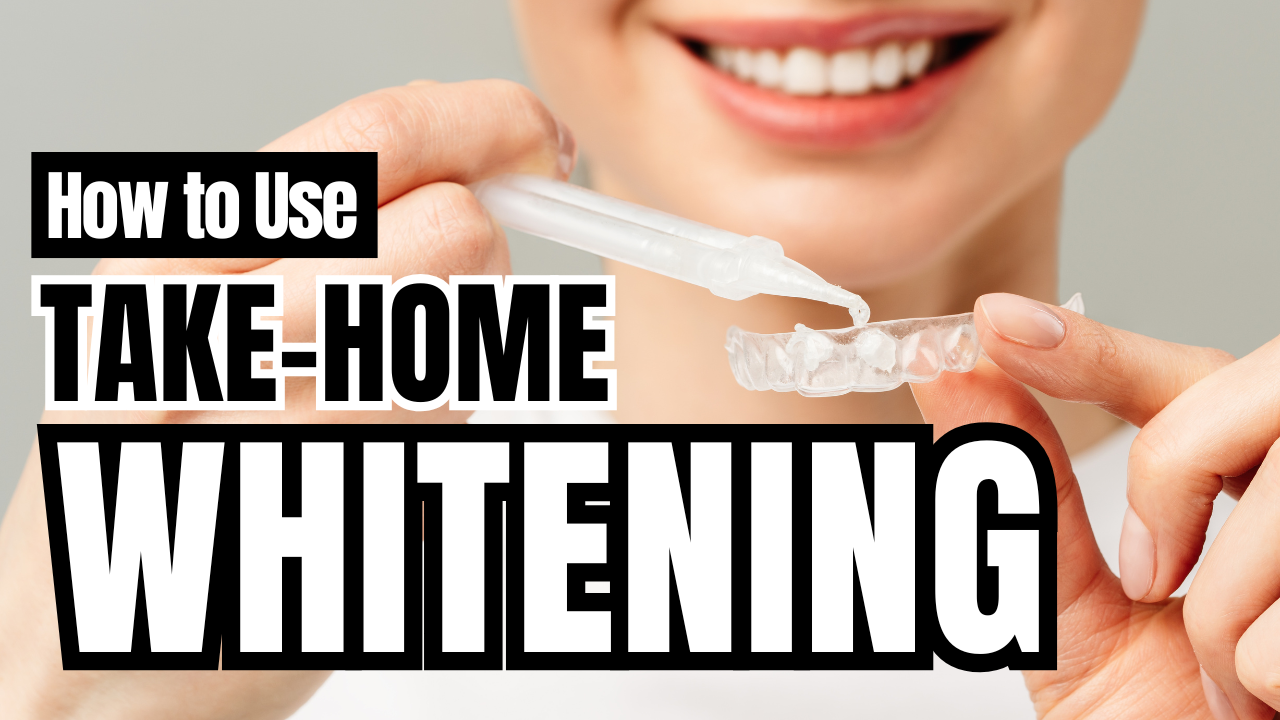
How to Use Take-Home Whitening?
Want a brighter smile at home? Take-home whitening kits are a simple way to brighten your smile, but the technique matters. In this video, Dr. Washington walks through:
- How much whitening gel to use
- Where to apply it inside the tray
- How to fit the trays properly on your teeth
- What to avoid so you don’t irritate your gums
The goal is an even, natural-looking whitening result without discomfort. If you’re interested in take-home whitening or need custom-fitted trays, contact our office to schedule an appointment. We’re happy to help you get a brighter, healthier smile that you feel confident in.

What are the Different Types of Take-Home Whitening?
Wondering which take-home whitening option is right for you? There are two types of take-home whitening gels we recommend—both effective, just tailored to your needs:
- Hydrogen peroxide: This is the standard whitening formula. You wear your trays for 20 minutes a day for 10-14 days.
- Carbamide peroxide: If you have sensitive teeth or gum recession, this gentler formula might be a better fit. Instead of short daily sessions, you’ll wear your trays overnight while you sleep.
Both options are safe, effective, and customized to you. Let’s talk about what’s best for your smile!

Tips & Tricks for Teeth Whitening
Thinking about whitening your teeth? Don’t skip these simple tips that make a BIG difference:
- Sensitivity Prep: If you know your teeth are sensitive or you have gum recession, start brushing with Sensodyne toothpaste for two weeks before your whitening treatment. This can significantly reduce sensitivity, whether you’re whitening in-office or using take-home trays.
- Avoid Staining Foods: What you eat matters. After whitening, try to avoid foods and drinks that stain, like red wine, coffee, tea, pasta sauce, and curries. Whitening opens up the pores of your teeth temporarily, making them more vulnerable to stains.
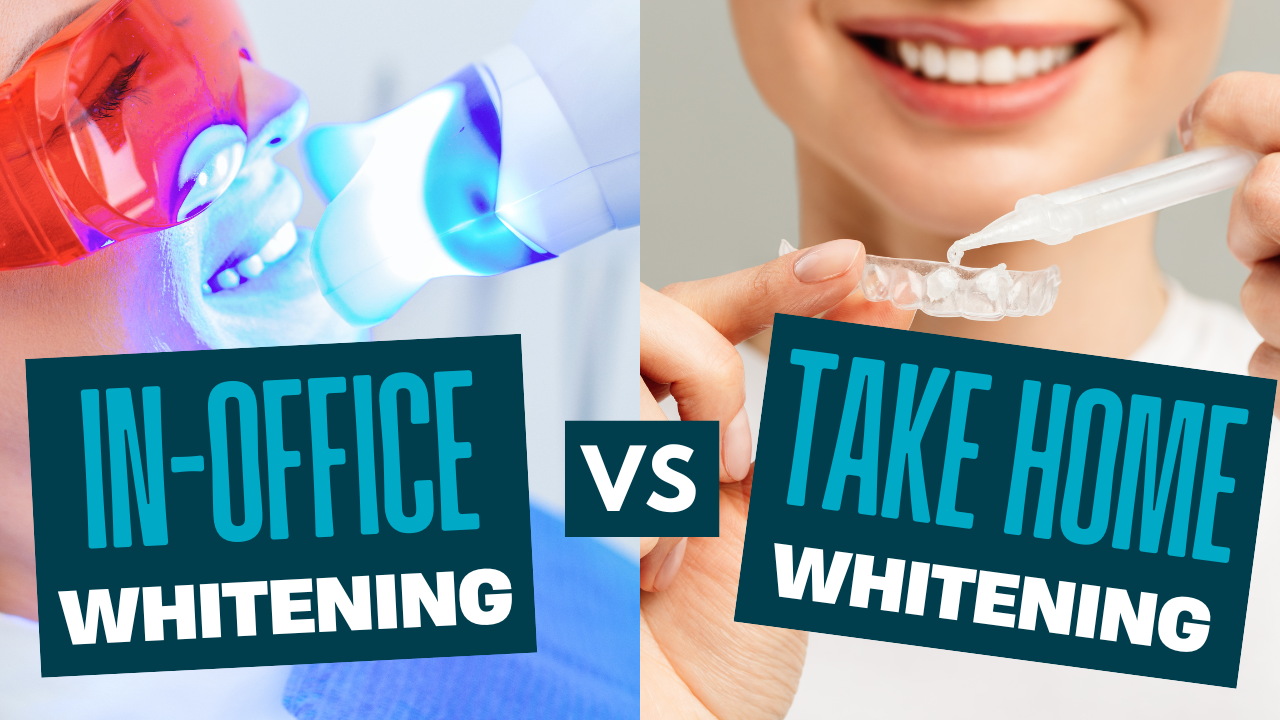
What’s the Difference Between In-Office Whitening and Take-Home Whitening?
Spoiler: both are great, it just depends on your personal timeline and preference. In this video, we break down the key differences.

In-Office Whitening takes about 1 hour, and you have immediate results. It’s ideal for weddings, big events, or if you just want it done and don’t want the hassle of doing it yourself.

At-Home Whitening takes about 10–14 days but offers gradual, effective results for those who prefer a more flexible routine.

How Do We Know If You Have a Cavity?
Ever wonder how dentists can tell if you have a cavity? In this video, Dr. Washington walks you through exactly what we look for on a dental X-ray when diagnosing a cavity. Using a real patient’s X-ray, she highlights the areas of concern and explains how cavities appear to the trained eye.
.webp)
Cavities 101: What Happens If You Ignore a Cavity?
In this video, Dr. Alexis Washington breaks down exactly what cavities are, how they form, and what happens if you don’t treat them. Using real patient X-rays, she walks us through two cavities: one that’s still in the early stages and can be treated with a simple filling, and another that’s been left untreated for years and now requires a root canal and crown.
Cracks in Teeth? Invisalign Can Help Prevent Further Damage
Not all Invisalign cases are cosmetic. Our patient came in with small cracks (called craze lines) in his teeth caused by traumatic occlusion — the way his bite is landing is putting too much pressure on certain teeth. He had braces as a kid but didn’t wear his retainers, so his teeth shifted, and the bite became unbalanced. Now, we’re using Invisalign to correct that bite and prevent further damage. Invisalign isn’t just cosmetic — it’s functional.

Night Guards to Protect Your Teeth From Grinding
Does it seem like everyone you know is being prescribed a night guard lately? You’re not imagining it — studies show that over 30 million Americans grind their teeth at night. Since COVID, we’ve seen a noticeable rise in tooth wear and grinding among our own patients.

Why Dentists Don’t Approve of Sugar-Free Drinks 🚫 Sugar-Free Does NOT Mean Safe For Your Teeth
Think sugar-free energy drinks are safe for your teeth? Think again! The issue isn't sugar, it's acid. In this video, Dr. Alexis Washington explains why she doesn't recommend them and what they’re actually doing to your enamel. 🚫🦷

Mouth Taping for Sleep & Snoring = Not Dentist Approved
Mouth taping has become a popular sleep trend, but from a dental perspective, it’s not something I recommend.
If you snore, mouth taping may seem like it helps by keeping your mouth closed at night. The problem is that snoring is often a sign of an underlying condition called obstructive sleep apnea. With sleep apnea, you stop breathing repeatedly during sleep. That can be dangerous and, in severe cases, even life-threatening.
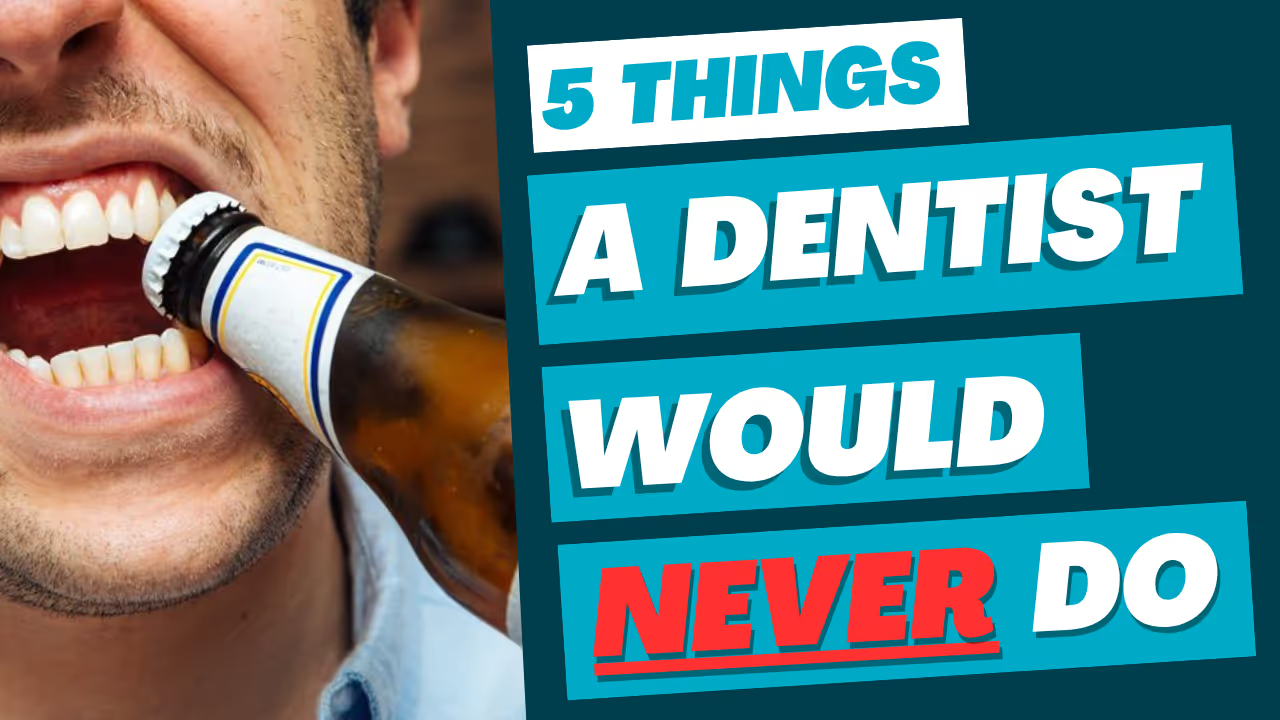
5 Things a Dentist Would Never Do
Dr. Alexis Washington is spilling the dental tea and sharing 5 things she would NEVER do as a dentist. From chewing ice to opening packages with your teeth, these habits might be doing more harm than you think. If you want to keep your teeth strong and avoid unnecessary dental visits, this one’s for you.
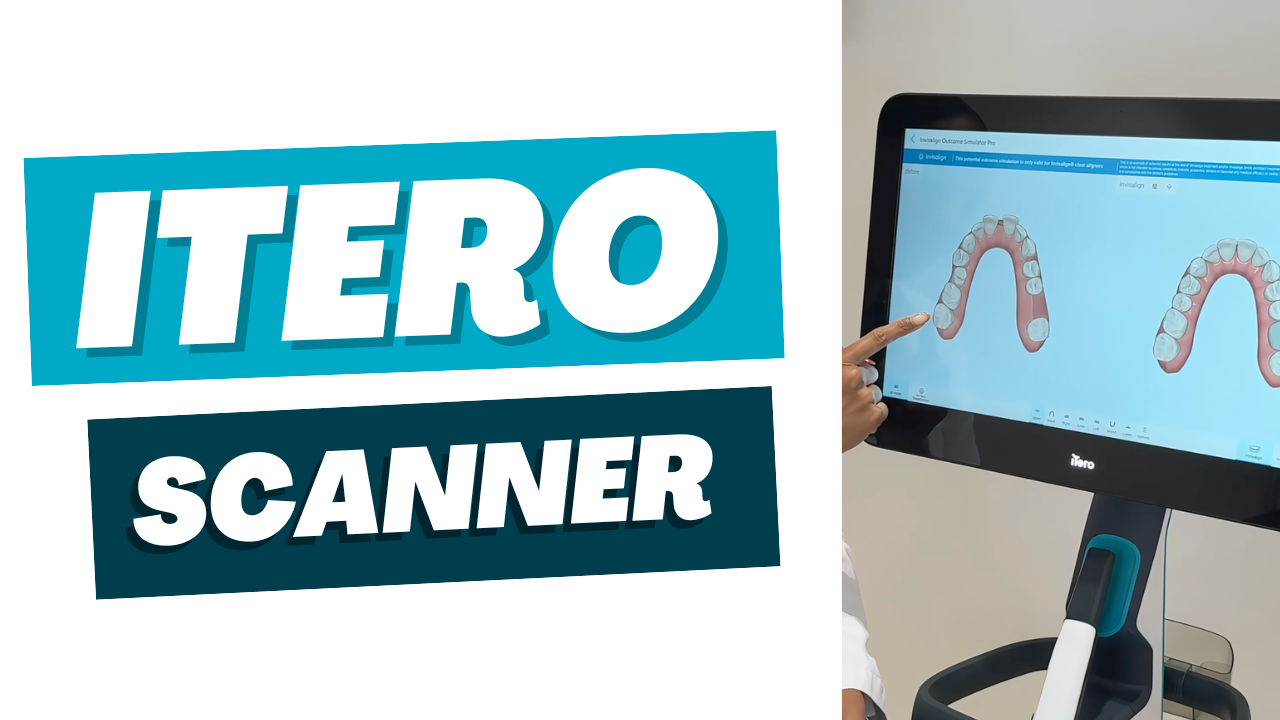
Wish You Could See Exactly What Your Dentist is Talking About? With iTero, You Can!
The iTero scanner lets us walk you through your diagnosis and treatment plan visually, making it easier to understand what’s happening in your mouth—and how we can fix it. From showing you the current condition of your teeth to simulating your future smile, the possibilities are endless. In this video, we’re breaking down how iTero transforms your dental visit into a fully interactive, crystal-clear experience.
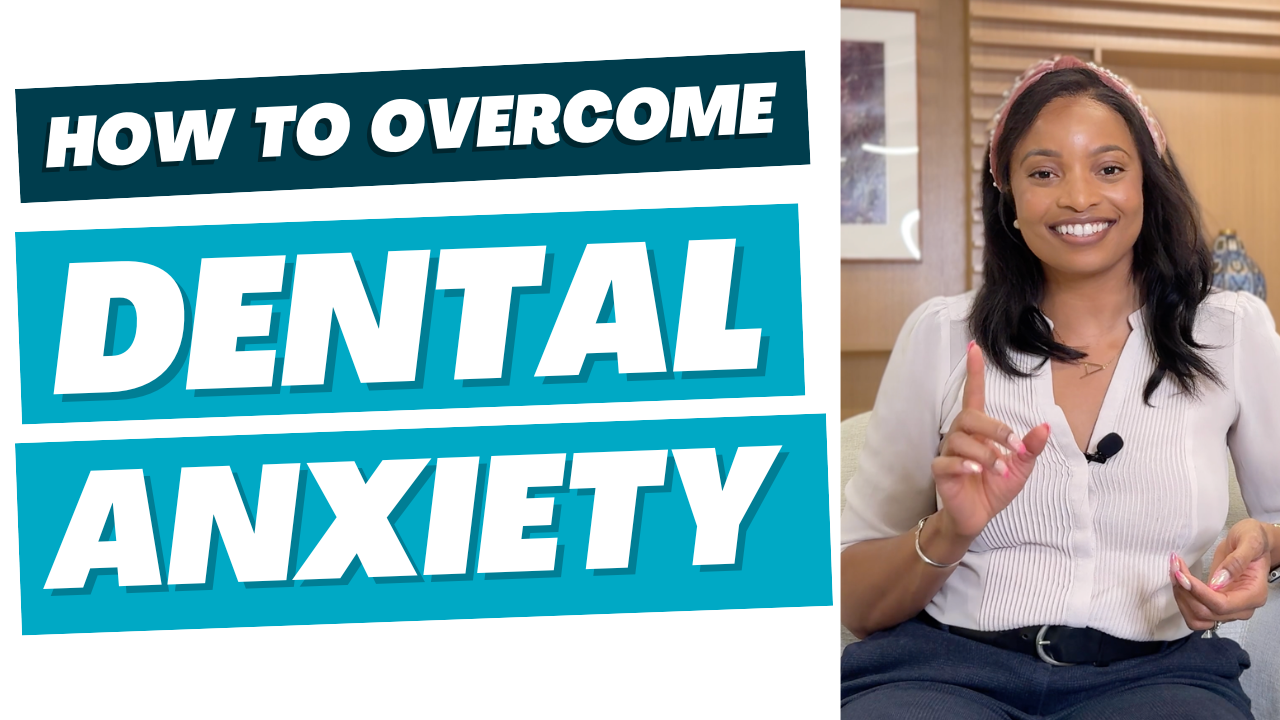
How to Overcome Dental Anxiety (Tips & Tricks)
We get it—going to the dentist might not be on your Top 10 Fun Things to Do in DC… but at Washington Metro Dental, we’re here to change that! From the moment you walk through our doors, you’ll feel at ease—no stress, no pressure, just expert care centered around YOU. In this video, Dr. Alexis Washington shares: how we make your visit easy and anxiety-free, what to expect when you arrive, and simple tips to help calm your nerves before your appointment.

Dentist Ranks Dental Products and Hygiene Habits on a Scale from 0 to 10
What’s actually good for your teeth… and what’s quietly doing damage? 👀🦷 Dr. Washington ranks common dental products and everyday hygiene habits on a scale from 0 to 10. Some might surprise you. Some you already know you shouldn’t be doing.

Dentist Ranking Hygiene Products & Trends from 0 to 10
Ever wonder what a dentist really thinks about the dental products you see everywhere? In this video, Dr. Alexis Washington ranks popular hygiene products and trends from 0 to 10. Some will surprise you… Others definitely won’t.

5 Dental Products I Use at Home as a Dentist
Ever wonder what a dentist actually uses at home? Dr. Washington is giving us a peek into her bathroom shelf and sharing her top 5 go-to dental products — from toothbrushes to toothpaste, floss, and mouthwash. No sponsorships here, just honest recommendations from someone who knows teeth. Want a healthier smile? Start here.
Products a Dentist Would NEVER Use or Recommend
Dr. Washington is spilling the tea on the dental products she avoids and why you might want to ditch them, too. From trendy tools to misleading mouthwashes, here’s what a dentist won’t touch.

As a Dentist, I DON'T Love Floss Picks & Here is Why
As a dentist, I don’t love floss picks. Floss picks aren’t terrible, but they’re not as effective as traditional string floss, and here is why.

Dentist Opinion On Oil Pulling For Your Oral Health
Oil pulling is getting way more credit than it deserves, and it’s not giving you any real oral-health benefits. If you want a cleaner, healthier smile, stick to the things that actually work: brushing, flossing, and regular dental visits.

Dentist Opinion on Tongue Scrapers
Do you really need a tongue scraper? Short answer: Most people don’t.
Tongue scrapers are only helpful for a small group of patients who have what’s known as a hairy tongue, meaning the papillae on the tongue are unusually long. If that’s not you, a tongue scraper won’t give you any extra benefit. In fact, it can do more harm than good.

Best & Worst Halloween Candy for Your Teeth
Dr. Washington is here to rank Halloween candy from least scary to straight-up terrifying for your teeth. 👻 Before you dive into that candy stash, find out which treats your dentist secretly approves of and which ones might haunt your smile later!

Botox For TMJ (Jaw Pain)
Are you constantly dealing with jaw tension, soreness, or clicking when you chew or talk? You might be suffering from TMJ disorder, a condition that can significantly affect your quality of life. At our dental office, we offer Botox for TMJ—a non-surgical solution to relieve jaw pain from clenching and grinding.
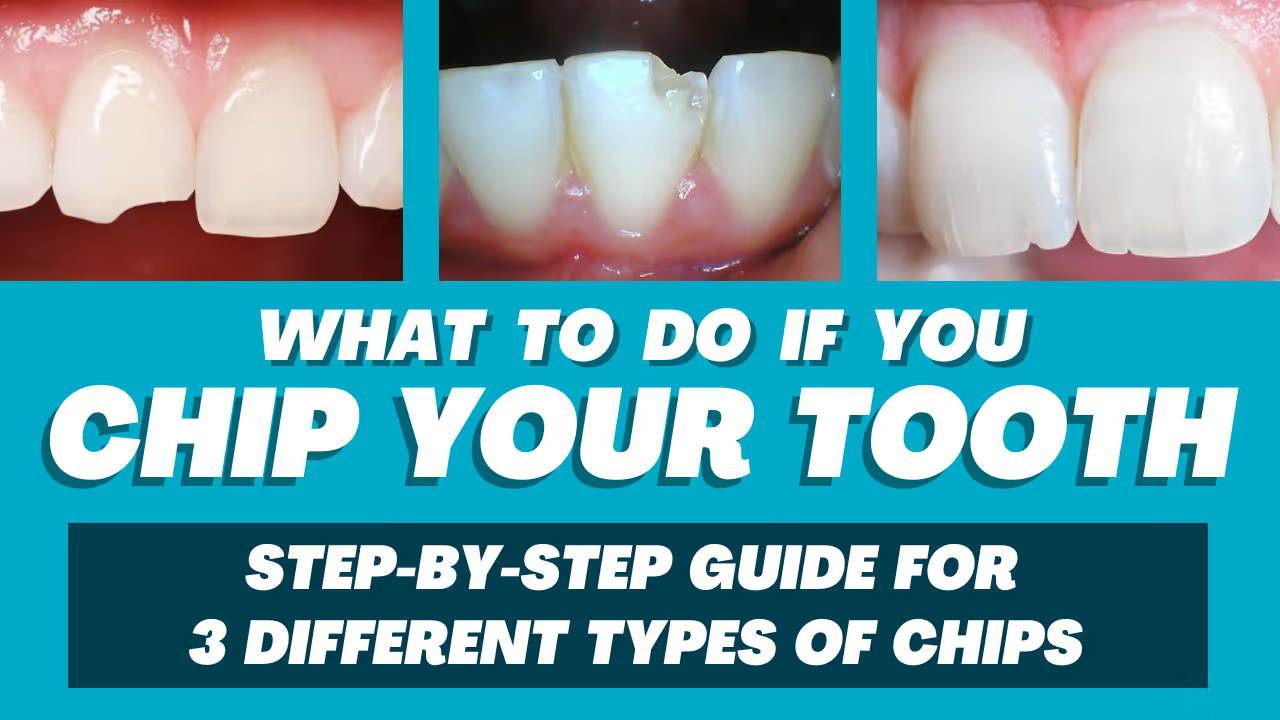
Chipped a Tooth? Here's What to Do (From Minor Chips to Emergencies)
Chipped a tooth? Whether it’s barely noticeable or a full-blown dental emergency, we’ve got you covered. In this video, we’re walking you through the three most common types of tooth chips we see in our office, and exactly what to do in each situation. No matter which type of chip you have, our goal is always the same: restore your smile so it looks like nothing ever happened.

What to Do If Your Tooth Gets Knocked Out (Step-by-Step Guide)
If your adult tooth gets knocked out, time is everything. In this video, we walk you through exactly what to do if an adult tooth gets knocked out—from how to handle it without damaging the root to the best way to store it before seeing a dentist.
Knocked out a tooth? Don’t panic—do this:

- Pick it up by the crown (NOT the root)

- Give it a quick rinse with saline water (NOT regular water)

- Store it in milk, or gently in your mouth

- Get to a dentist within 30 minutes if you can

You Chipped a Tooth, But It Doesn’t Hurt…Do You Need to Fix It?
You chipped a tooth, but it doesn’t hurt…so you’re fine… right?

Not exactly! Think of it like a chip in your windshield; it might seem small now, but over time, it can spread and lead to serious damage. Even the smallest chip can weaken the tooth and set you up for a fracture later on. In most cases, we can easily bond and restore it before it turns into something bigger. Catch it early, keep your smile strong.
Botox For TMJ (Jaw Pain)
Are you constantly dealing with jaw tension, soreness, or clicking when you chew or talk? You might be suffering from TMJ disorder, a condition that can significantly affect your quality of life. At our dental office, we offer Botox for TMJ—a non-surgical solution to relieve jaw pain from clenching and grinding.

Botox For Jaw Pain, Teeth Grinding, and Clenching?!
Your jaw called… it’s TIRED of working overtime! Waking up with jaw pain? Grinding like a coffee bean? Or maybe your head’s been pounding like a drum solo at a rock concert? Good news—Botox can help! Enter Botox for TMJ — Botox tells your overworked jaw muscles to chill.

Less pain
Fewer headaches

No more grinding
No more unconscious clenching

Meet Dr. Rebecca Salzman, General Dentist at Washington Metro Dental
Hi, I’m Dr. Rebecca Salzman, a general dentist here at Washington Metro Dental. I’m so glad you’re here! Whether you’re a new patient or a long-time visitor, my goal is to make sure you feel comfortable, informed, and confident about your dental care.

Your journey to a healthy smile starts here
Experience modern dentistry like never before. We’re here to make you smile, schedule your appointment today!